Menu
In recent years, flexibility has evolved from a ‘nice-to-have’ perk into a strategic performance enabler. With the pandemic acting as a sudden catalyst for remote and hybrid working, flexibility was forced into the fabric of companies whether they were ready for it or not. It’s now years later that many of us see that there was always a place for this flexibility, and that now, if wielded correctly, it can be a huge swaying factor for attracting top talent.
But flexibility only pays off when it’s integrated into work-design rather than tacked on haphazardly. The best organizations treat where, when and how people work as design variables, not just benefits.
Segment Tasks and Design Accordingly
Start by differentiating between work that needs focused concentration and work that thrives on collaboration. Deep-focus tasks demand quiet time and rhythm, and this may be better suited to a remote working style (although not always, depending on individual contexts). Teamwork and idea generation, however, require that necessary human overlap, and this is where in-office work thrives. By mapping out these roles and responsibilities to the right design model, employers will begin enable better quality output.
And the data backs up this notion: one review found that 58% of employees said productivity increased under hybrid working arrangements as opposed to solely in-office work.
Define Rhythm and Norms
But whilst flexibility is a good thing, employers still need to be setting clear guidelines as to what flexibility looks like at their firm to help avoid any ambiguity. This can be done by defining core collaboration hours, setting expectations on responsiveness, and outlining when in-person interaction adds value.
That eliminates the trap of ‘always on’ while protecting focus time. When the norms and expectations are clear, flexibility now becomes a tool to amplify trust rather than erode at it.
Hybrid by Design, Not by Default
Hybrid shouldn’t automatically mean ‘some days home, some days office’. It should be about utilizing location strategically and providing it with purpose.
In-office days can be reserved for relationship building, live workshops and culture reinforcement – all things that require a team to be together in the same room physically. Remote days can therefore prioritize high-focus or deep-thinking work that can be done individually.
But this shift isn’t just a physical one, it’s a mental one, too (especially for your middle managers). Using flexibility strategically requires a shift away from hours being put in to outcomes being put out, and so managers must be trained to cultivate this outcomes-based culture so that it actually takes root.
By integrating flexibility into the architecture of work, employers will shift from just offering flexible work to designing flexibility for performance optimization. That mindset positions HR as a strategic partner in enabling future-ready organization, not just a policy administrator. When done right, flexibility can become a growth driver – not just a perk. If you would like to discuss how we can help you approach flexibility from an organizational design perspective to reap the most benefits from it, please do get in touch with us today.
Wellbeing programmes have always been a popular investment. Think yoga classes, mindfulness apps, fruit bowls…employers have tried all sorts of innovative little ways to help lessen those feelings of stress and burnout only to find that employee stress levels barely shift.
The reason for this is simple: wellbeing doesn’t start with perks. It starts with how work itself is designed.
When roles are clear, workloads are realistic, and people feel they have control over their time, wellbeing naturally improves. According to the recent research, poor work design, including high job demands, low autonomy, and unclear roles, is one of the top predictors of burnout and absenteeism. So if employers want happier and more productive teams, they need to focus less on interventions around work and more on the structure of work itself.
The first step is to look closely at workload and task clarity. When employees don’t know what’s expected or are stretched across too many priorities, stress spikes and engagement falls. In Gallup’s State of the Global Workplace report, only about a third (34 %) of employees worldwide say they are “thriving”. But that leaves a whopping 66% of employees worldwide who are struggling to manage, and this is where burnout can start to creep in.
Small design tweaks make a big difference. Managers can build ‘capacity check-ins’ into one-to-ones to make sure that the workload is achievable, as well as regularly reviewing project scope and ensuring deadlines remain realistic. Empowering teams to flag when capacity is tight will help to build a healthier rhythm of work.
Purpose is a powerful buffer against stress. People who understand how their tasks contribute to organizational goals will feel more engaged and resilient. Research shows that meaningful work is strongly linked to higher engagement and better wellbeing metrics. For example, high job resources such as autonomy, feedback, social support have been seen to reduce burnout and increase engagement.
Middle managers can help here by linking individual objectives clearly to wider business outcomes, enabling staff to see exactly how their contribution matters. Leaders should be talking about impact, not just output, in team meetings. When employees understand how their work matters, the daily grind feels immediately more purposeful and less draining.
Sustainable performance depends on recovery time, and this doesn’t just mean holidays. It means designing work patterns that allow people to rest and reset during the week, too.
Work design also includes giving employees more control over when and where they work. Flexibility, whether in start times, remote days, or compressed hours, helps people manage energy and focus, not just time. It’s about making that mindset shift away from presenteeism and towards measuring output rather than input.
The most progressive organizations are embedding wellbeing into performance systems, leadership training, and even workflow design. Instead of asking, “How can we fix burnout?” they ask, “How can we build a workplace that prevents it?”.
The fact is, wellbeing thrives when work is thoughtfully designed. By re-examining how tasks are structured, how success is measured, and how people are supported day by day, businesses create an environment where employees don’t just survive their workweek, but succeed through it.
If you would like to discuss how we can help reduce burnout and improve wellbeing right from the root of your business, please get in touch with us today.
In the first part of this article, I gave a brief introduction to what agile methodology is and how this can be applied to the HR practice – however, before you launch into creating squads and inviting everyone to be part of your new way of working, let’s check in on the potential limitations or obstacles you might face so you can work through how to overcome them, and/or ensure that the outcome you strive for will benefit from an agile approach.
Firstly, there may be some growing pains when it comes to teaming people up. We must remember that the concept of ‘teamwork’ has evolved dramatically since the pandemic. With the mass adoption of hybrid and remote working styles, using new tools such as Miro, Trello and other interactive job management and collaboration tools, will be new to most people and will take some time to get used to. In-person teams and individual collaboration may also be a skill some have yet to flex their muscles in – especially in a context where each member of the team is very reliant on the other to ensure that the project can continue moving forward at pace.
Squads can also suffer from friction between members if they approach the work by ‘protecting their territory’. As teams are multi-disciplinary, there will be a healthy sharing of views with some team members making suggestions and interjections on aspects of the activity set that is outside their domain. This can be perceived badly if the squad has yet to move from storming to norming. The fusion of skills is the entire reason the process is so successful, as it allows for obstacles to be worked through quickly and carefully so that valuable insight and innovation can be embraced and used.
The size of the squad can be another enabler if the members are chosen well. It can be difficult to avoid upsetting someone who had wanted to be part of the squad when trying to stay within the 8–10-member limit. However, squads that are over-representing a particular insight or skillset can run the risk of having conversations dominated. Therefore, having equal representation will help to avoid this and keep things running smoothly.
Ambition can be another obstacle to overcome if you want to succeed. It’s not easy to set goals that are realistic and can be achieved within the determined timeframe. Agile is all about delivery of components of a larger goal in shorter timeframes, and includes lots of insight, trial, and error. Sprints are in short bursts so that, as a squad, you can present your findings, receive feedback, and venture into a second sprint with valuable lessons learnt, progress made, and knowing that you are on track to deliver something the customer will benefit from.
In HR, we have been guilty in the past to have operated in the same way the technology function can be guilty of, and that is to squirrel away on developing a tool/process that is best in class, but has no function in your organisation, or creates more work and less value for leaders and staff. Agile brings about amazing opportunities for a different way to ensure the tool/process is fit for purpose and harnesses all skills, strengths, and passion from the right people.
A watch out for pushing your squads too hard, however, comes in the form of deploying squads on multiple sprints. Operating sprints back-to-back may increase the risk of team members burning out, and it can be easy to get caught up in the progress being made and want to set even more ambitious goals for each sprint period. Agile methods require each member of the squad to be on top form throughout the sprint, and preferably without distraction from other work, as each member is reliant on the other for the flow of the work to continue and the goal to be achieved in the allotted timeframe. Therefore, it is advisable to have a small break in between sprints so team members can recalibrate before their next burst.
Agile working could be a game-changer for HR, from delivering projects and programmes that create value for teams and organisations, to HR team members being a part of other functional squads. It’s unlikely agile would work in the reactive operational environment, or indeed when HR partners are needed to be close to leaders and managers on a daily advisory basis. But HR can reap rewards from this way of working with a considered and managed approach; balance, transparency, and cohesiveness are key.
If you would like to discuss the practicalities of activating agile methodology in HR in more detail, please get in touch with me at clare.parkes@orgshakers.com
Traditionally, HR workstreams could be organised into four sections: cyclical activities such as engagement surveys; reactive client focused work such as performance management; proactive business improvement such as organisational design and learning initiatives; and projects such as change programmes and process improvements. Often, as the speed of organisations influence the ability to deliver well, HR is left wanting in non-operational areas.
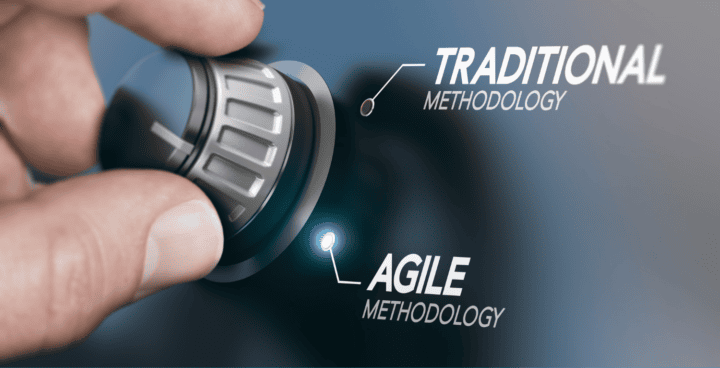
However, agile HR methodology may be a solution to keeping pace.
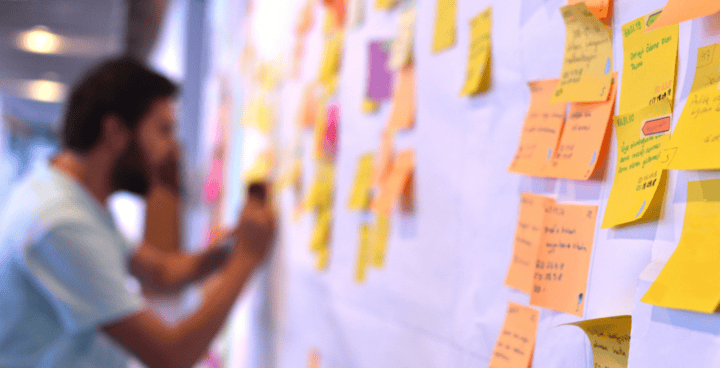
Agile in HR is quickly gaining traction across the globe, proving particularly popular in countries such as Australia and New Zealand. Essentially, agile methodology aims to achieve a unifying, specific goal in a much shorter amount of time. This is often done by combining a team of multi-disciplinary individuals from across the company and having them each take on activities that together, create momentum behind the activity that is broken down into smaller components of a larger goal. This group, known as a ‘squad’, will exchange and update their progress on a regular basis, gathering stakeholder feedback along the way so they can adjust their work real time, and deliver an outcome that more closely matches the needs of the recipients. This way of working is conducted in short cycles, or ‘sprints’, and keeps the squad focused, energised, and on the right track.
Whilst agile methodology will look different depending on the desired goal, there are a few staple factors of this methodology that will be consistent no matter what the intent:
So, might Agile be what HR has been looking for to help deliver timely solutions that create value for their client groups?
Check back here tomorrow for Part 2 where I outline the potential limitations or obstacles you might face and how you can overcome these when using agile methodology.
In the meantime, if you would like to discuss the practicalities of activating agile methodology in HR in more detail, please get in touch with me at clare.parkes@orgshakers.com