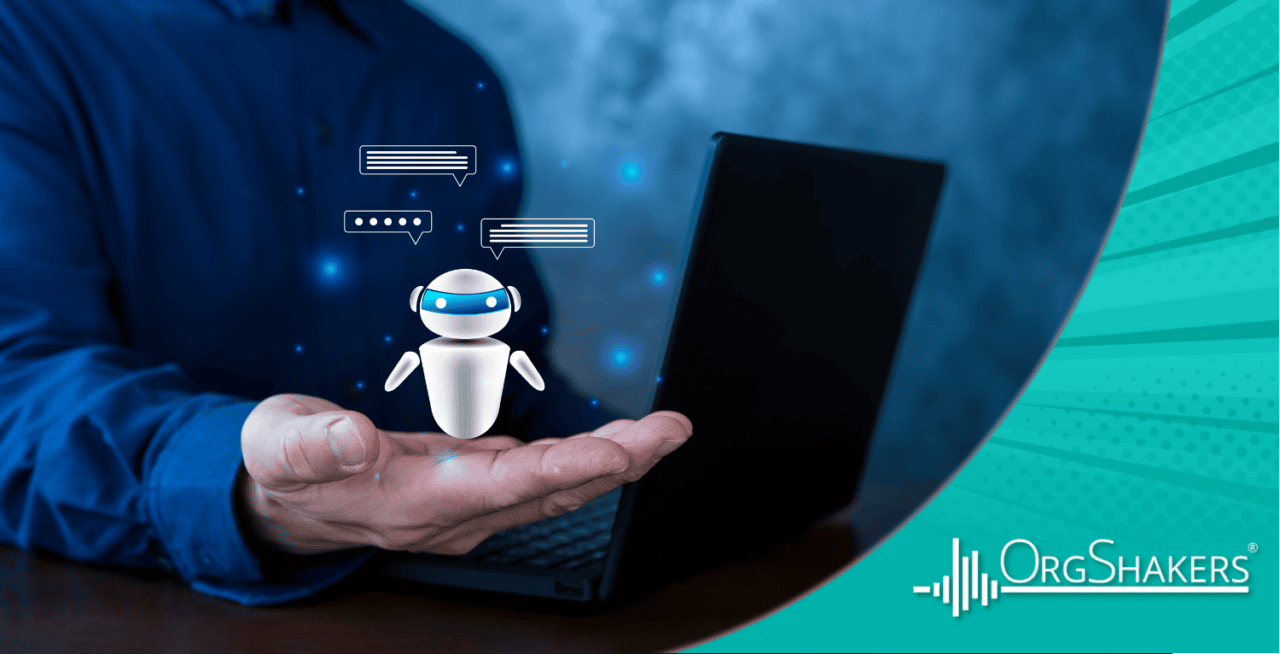
By now many of us would have seen the headlines that Meta CEO Mark Zuckerberg is developing a personal AI agent to help him perform his job more efficiently. The tool is designed to retrieve information and assist with tasks that once required layers of human coordination. The vision, according to reporting, is that eventually everyone might have their own AI assistant, just as Zuckerberg hopes to have one for himself.
This latest development isn’t just another tech story. In fact, it signals a potential paradigm shift where AI agents become as commonplace as laptops or email in the workplace. And that shift will have tangible implications for how we hire, train, manage, and support employees.
AI Agents May Become Digital Work Partners
AI agents are software systems that can not only respond to queries but also act autonomously to accomplish tasks. Unlike traditional digital tools that require step‑by‑step human prompts, modern AI agents can plan, decide, and effect outcomes across systems and workflows. Many organizations aside from Meta are already actively integrating these agents into daily operations, with several large enterprises tying AI adoption into performance benchmarks.
According to workforce strategy research, around 85% of organizations have already implemented AI in some form, with nearly half using it for workforce planning and management functions. While most of this adoption has so far focused on analytics and automation, the next wave is clearly the development of personal AI agents that serve as individual assistants.
From Hybrid Work to ‘Blended Work’
As researchers point out, the future of work is not just about hybrid working, but blended with intelligent systems that co‑labor with human employees. For HR, this means the workforce won’t just include human talent, but also digital collaborators that require governance and ethical oversight.
This means employers will soon need to answer questions they have never had to formalize:
- How do you evaluate performance when an AI agent significantly boosts productivity? Are you assessing the human, the agent, or the human–agent team?
- What competencies will you prioritize in recruitment? Tech fluency, AI literacy, and an ability to work alongside agents may become baseline expectations.
- How do you define accountability for decisions aided or made by AI? If an AI agent informs a strategic choice that impacts staffing or business outcomes, who owns the outcome?
Reskilling and Employee Experience Will Be a Top Priority
If AI agents become commonplace, HR must lead in reimagining skills development. Training cannot just focus on using tools but on collaborating with autonomous digital agents which would take shake as a blend of digital literacy, critical thinking, and ethical decision‑making.
Moreover, as organizations like Meta have already begun, tying AI adoption to performance reviews can accelerate skills uptake, but it also raises anxiety around job security and change. HR professionals must balance enthusiasm for innovation with empathetic change management, ensuring employees feel supported rather than replaced.
Prepare Now for an Agent‑Enabled Workforce
The idea of everyone having a personal AI agent once sounded futuristic. But with companies today embedding AI at every level (even in the C‑suite), that future is arriving quickly. Rather than reactively responding, employers should be working with HR to proactively shape policies, learning frameworks, and ethical guardrails for a workforce where humans and AI agents collaborate daily.
If you would like to discuss how we can help with the implementation of this human-AI blended relationship, please don’t hesitate to get in touch with us today!