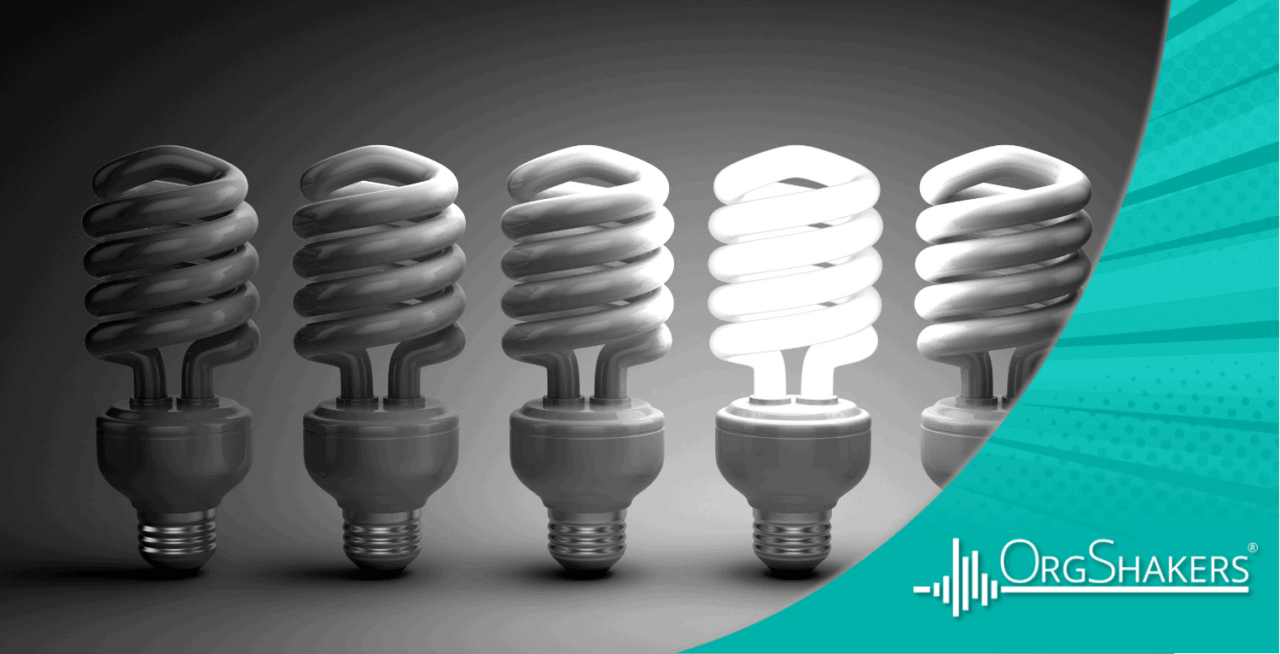
As the summer solstice approaches, it’s a natural moment to reflect on energy. Not just energy from sunlight, but human energy at work.
In the workplace setting, we often talk about time, whether that be hours worked, days absent, deadlines met… But increasingly, the real differentiator isn’t actually time, it’s how effectively that time is used. Which brings me to the crux of my argument: many businesses don’t have a time problem, they have an energy problem.
Burnout is at record levels, with around 66% of employees reporting symptoms last year. And the cost isn’t just human, it’s commercial. Globally, burnout is linked to hundreds of billions in lost productivity each year. And critically, most of that loss comes not from people being absent, but from the presenteeism mindset of employees showing up, but operating well below their full capacity.
This is where the idea of an ‘energy audit’ becomes powerful.
Just as organizations audit finances or operations, forward-thinking employers are starting to examine where employee energy is being drained, and where it could be better protected or redirected. Because working longer hours doesn’t necessarily mean working better. In fact, the opposite is often true.
Take workload design. Many employees aren’t overwhelmed simply because they have too much to do, but because of how work is structured (think fragmented calendars, constant context-switching, and back-to-back meetings). Research shows that a significant portion of the workday is lost to low-value or repetitive tasks, which directly contributes to stress and disengagement. When energy is spent on busy work, there’s little left for meaningful, high-impact activity.
Then there’s the role of managers. According to global workplace research, manager engagement is one of the biggest drivers of team performance and wellbeing, yet managers themselves are often among the most burned out. If their energy is depleted, it cascades across entire teams.
So what can employers do on a practical level?
Firstly, shift the conversation from hours to outcomes. Encourage leaders to define what ‘good’ looks like in terms of output, not visibility. This reduces the pressure to be constantly on.
Secondly, audit meeting culture. Are meetings purposeful, or just habitual? Even small changes like shorter meetings or protected focus time can significantly improve cognitive energy.
Thirdly, invest in manager capability. Equip managers to recognize energy dips, redistribute workload, and model healthy behaviors themselves, as this will have positive ripple effects on the entirety of their teams.
Finally, normalize recovery. Just as athletes don’t perform at peak level continuously, employees need space to recharge. Encouraging microbreaks, time off, and boundaries is essential for sustained performance.
The summer solstice is a reminder that more daylight doesn’t mean infinite energy, and the same is true at work. Organizations that succeed won’t be the ones that extract more hours, but the ones that protect and optimize the energy their people bring to those hours.
If you would like to discuss how we can help your company conduct an energy audit that ensures time is being used productively and healthily, please get in touch with us today!