Menu


Can Boredom Be Valuable in the Workplace?
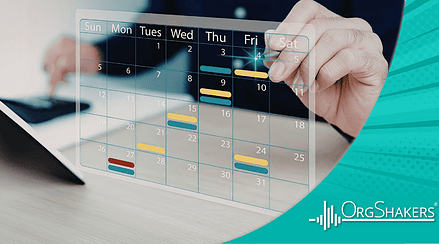
Being ‘busy’ has long been a badge of honor at work. Full calendars, constant notifications, back-to-back deadlines… these were once seen as signs of a fully productive and committed team member.
But in the modern work landscape, a different insight is emerging: constant busyness may actually suppress some of the very qualities businesses need most, such as creativity, problem-solving, and innovation.
That’s why forward-thinking leaders are now starting to rethink the art of boredom. Not as blatant disengagement, but as mental white space. This is the cognitive downtime that allows ideas to connect and original thinking to surface.
Human brains aren’t designed for nonstop input. Cognitive research consistently shows that attention and creativity operate in cycles. Periods of intense focus need recovery intervals to remain effective. Without them, performance drops and error rates increase.
While productivity is influenced by many variables, one clear pattern across industries is that sustainable performance depends on how work is structured, not just how much work is assigned. In other words, more activity doesn’t always equal more results. This is why leaders are starting to distinguish between two types of boredom:
- Disengagement boredom – caused by lack of challenge or purpose.
- Recovery boredom – brief, intentional pauses that allow thinking space.
The first type is the cause for concern that requires intervention. The second type can be powerful, if wielded correctly.
Employees who have purposeful time to reflect often generate better ideas and make more thoughtful decisions. Some of the most innovative companies now build structured breathing room into workflows because they want thinking quality to actively improve. These can range from a variety from simple yet effective approaches:
- Focus-Recovery Rhythms – teams alternate between deep work periods and lighter administrative blocks rather than mixing multitasking all day.
- Meeting-Free Windows – intentionally carving out protected time without interruptions allows employees to think, plan, and create.
- Idea Incubation Time – some organizations have started to allocate short weekly blocks specifically for reflection or experimentation.
- Realistic Workload Design – managers should be trained to evaluate whether packed schedules are actually reducing effectiveness and respond accordingly.
The companies that benefit most from this approach change how they define productivity. Instead of rewarding input, they reward meaningful output. That distinction gives employees permission to pause, think, and refine without worrying that quiet time will be mistaken for inactivity.
The problem is that boredom has a branding issue. The word itself sounds negative and unproductive, but in reality, small pockets of boredom can act like mental reset buttons, restoring clarity and fuelling insight. It just has to be encouraged actively rather than dismissed.
If you would like to discuss how we can help you turn boredom into an innovative superpower, please get in touch with us today.
Related Posts