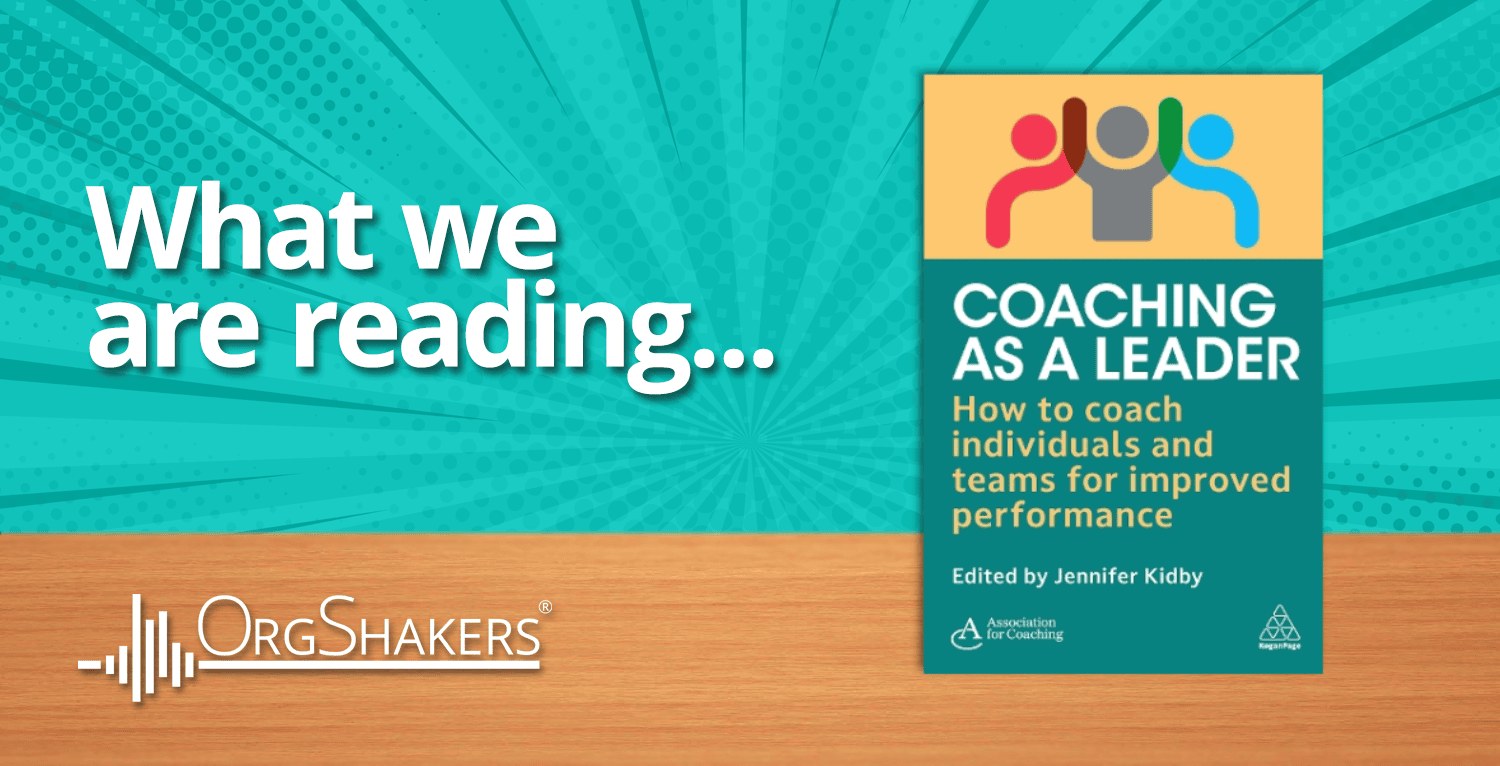
For this month’s reading pick, we explored a book that focuses on one of the most valuable skills modern leaders can develop: coaching. Coaching as a Leader by Jennifer Kidby examines how adopting a coaching mindset can help leaders build stronger relationships, develop talent, and create more engaged, high-performing teams.
Jennifer Kidby, an experienced executive coach and leadership development specialist, argues that effective leadership today is less about having all the answers and more about asking the right questions. Rather than relying on traditional command-and-control management styles, she encourages leaders to empower employees to think independently, solve problems confidently, and take greater ownership of their work.
At its core, the book makes the case that coaching should not be viewed as a standalone activity reserved for formal development conversations. Instead, Jennifer demonstrates how coaching can become an everyday leadership habit, woven into regular one-to-one meetings, performance discussions, and informal conversations. By shifting from directing to facilitating, leaders can unlock greater potential within their teams while also building trust and accountability.
Throughout the book, Jennifer introduces practical coaching frameworks and questioning techniques that leaders can begin using immediately. She places particular emphasis on active listening, curiosity, and resisting the temptation to jump straight into providing solutions. While these concepts may sound simple, the book highlights how challenging (and valuable!) they can be in fast-paced workplace environments where managers often feel pressure to solve every problem themselves.
A recurring theme is the importance of psychological safety. Jennifer explains that coaching is most effective when employees feel comfortable sharing ideas, admitting mistakes, and exploring solutions without fear of criticism. This aligns closely with wider research showing that psychologically safe workplaces encourage greater innovation and employee engagement, making the coaching approach particularly relevant for today’s organizations.
One of the book’s greatest strengths is its accessibility. Rather than presenting coaching as a complex discipline requiring extensive certification, the author breaks the process down into practical behaviors that leaders at every level can adopt. The examples feel realistic, and the advice remains grounded in the everyday challenges managers face when balancing operational demands with people development.
Overall, Coaching as a Leader is an insightful and highly practical read for HR professionals, people managers, and senior leaders looking to build more capable and confident teams. While experienced coaches may find some of the concepts familiar, the book succeeds in making coaching feel approachable and achievable for leaders who are new to the practice.
If you’re looking to strengthen your leadership capability by developing a more empowering management style, this is well worth adding to your reading list.
You can grab a copy of Coaching as a Leader here in the UK and here in the US.
And in the meantime, if you have any coaching needs, feel free to get in touch with us today to talk to our host of experienced coaches.