Menu
It’s Learning at Work Week, and this acts as the perfect reminder that development isn’t a one-off training session, but rather an opportunity to be seized on a daily basis. Indeed, a LinkedIn study found that a massive 94% of employees said they would stay longer with an employer who invested in their learning and development!
However, we know that getting people genuinely engaged in learning can sometimes be a bit tricky. With deadlines looming and inboxes overflowing, learning opportunities can often get pushed to the bottom of the to-do list.
So, the question is, how do we make learning stick?
Here are five simple (and realistic!) ways we have found that really boost engagement with learning at work:
The key thing to takeaway is that learning at work shouldn’t feel like homework. It should feel like progress, growth, and even a bit of fun. Which means not simply offering resources, but by creating a culture where curiosity is rewarded and development is genuinely supported.
If you would like to discuss how we can help craft a workplace culture that promotes an engagement with learning, please get in touch with us today!
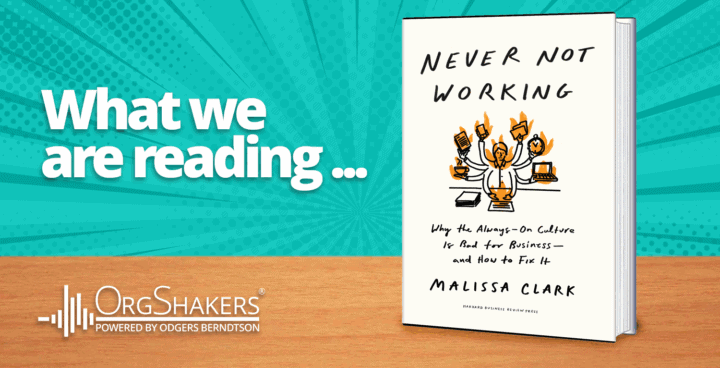
A brand-new study recently discovered that those employees who are ‘workaholics’ are more likely to become disengaged with their moral values. This got us thinking about how being a workaholic – whilst outwardly presenting as a super engaged and committed employee – actually has detrimental effects on overall productivity and wellbeing – so much so that it apparently throws off one’s moral compass, too. That’s why this month we have grabbed a copy of Malissa Clark’s latest book, Never Not Working: Why the Always-On Culture is Bad for Business–and How to Fix It.
Dr Malissa Clark is an associate professor of industrial-organizational psychology at the University of Georgia, and her research has particularly focused around workaholism, burnout, employee wellbeing, and organizational culture. Widely published in academic journals, Malissa has become a leading voice in the conversation around workplace mental health, and her first book, Never Not Working, translates her years of academic insights into accessible, actionable guidance.
In her book, Malissa starts by examining the toxic rise of workaholism in today’s professional world – where long hours and constant availability are not only normalized but celebrated. She argues that this ‘always-on’ culture is not a mark of dedication or success, but a harmful and unsustainable approach that damages individuals, teams, and entire organizations.
The book creates a clear distinction between healthy work engagement (feeling energized and fulfilled by work) and workaholism, which is defined by an uncontrollable inner compulsion to work excessively and obsessively. Malissa draws on over a decade of empirical research to show how workaholism is linked to burnout, anxiety, strained relationships, and reduced productivity, debunking the myth that more work automatically leads to better outcomes.
The book also goes on to address the systemic and cultural drivers of overwork: from glorified ‘hustle culture’ and performative busyness to poor leadership and the spread of technology that blurs the line between professional and personal life. She explores how these patterns have been intensified by the pandemic, remote work, and economic pressures.
Rather than simply critiquing the current state of affairs, Malissa offers a practical framework for change. She provides tools for leaders to recognize unhealthy behaviors in themselves and their teams, and she outlines steps organizations can take to shift away from overwork, such as setting boundaries, promoting recovery time, and measuring success based on output rather than hours being logged.
Ultimately, Never Not Working is a call to reimagine what productivity and success look like in the 21st century, arguing that sustainable work is not only better for employees, but better for business overall.
If you would like to discuss how we can help train your leaders and middle managers to identify the signs of workaholism, please get in touch with us today!
And in the meantime, be sure to grab yourself a copy of Never Not Working – it can be purchased here in the US and here in the UK.
Let me set the scene: it’s a rainy Tuesday morning and you arrive at the office for work. The place is quiet – just the hum of the coffee machine and the low murmur of someone on a Teams call. But by 10 a.m., a small group has gathered in the open-plan communal space: Finance are chatting about a reporting glitch, a new employee is asking questions about a new platform, and someone is sharing photos from their dog’s birthday (yes, that’s a thing now!).
Within half an hour, three new ideas have been sparked, two problems solved, and a connection made that will lead to an impromptu mentorship pairing.
This is the kind of magic that’s hard to replicate through a screen.
While AI and automation are undeniably transforming the way we work – bringing speed, efficiency, and convenience – they can’t replicate the authenticity, collaboration, or creative spark that comes from sharing a space with others. In an age where so much can be streamlined, the unmediated, spontaneous moments of human connection remain irreplaceable. A smile, a firm handshake, or a quick coffee break creates bonds that virtual interactions simply can’t match.
Creating environments that foster meaningful connection is no longer a ‘nice to have’ – it’s essential for building resilient teams and strong workplace culture.
AI: An Enabler, Not a Replacement
Let’s be clear: AI is here to stay, and that’s a good thing. Used thoughtfully, it can lift the administrative burden, speed up data analysis, and allow people to focus on what they do best – building relationships, solving problems, and bringing fresh ideas to the table.
In the HR space alone we’ve seen AI enhance recruitment, employee feedback, and performance monitoring. Gartner predicts that by 2027, nearly 25% of all professional roles will be supported or augmented by AI. But while these tools enhance productivity, they must not replace the emotional intelligence, trust, and judgment that only humans bring.
AI won’t notice when a new starter is feeling overwhelmed. It can’t coach someone through a delicate conversation or teach the nuance of when to lead, when to follow, and when to challenge. That kind of knowledge lives in the in-between moments – moments that only come with face-to-face connection.
The Value of Being There
As we integrate AI into more aspects of work, it becomes even more important to double down on what can’t be automated – namely, mentorship.
While AI can accelerate tasks and fast-track knowledge acquisition, it doesn’t teach people how to navigate a tough conversation, when to push back in a meeting, or why a certain client prefers one communication style over another. That kind of learning comes from observing, shadowing, and talking things through with someone who’s been there before. It comes from being present.
In professional environments – particularly those where junior employees are just beginning to shape their skills – this human guidance is essential. Kevin Ellis, Chairman of PwC, captured it well when he said: “You give people the freedom to do more. This, in turn, requires more coaching to equip people more quickly for more responsibility and to impart knowledge that is usually acquired over a longer period of time.” AI might take someone from year one to year three on paper, but the real growth happens in the conversations in between.
Being physically present in the workplace allows for these crucial mentoring moments to unfold naturally – whether it’s a casual debrief after a meeting, or a spontaneous question asked in passing. These are the moments that build confidence, capability, and a sense of belonging.
Without them, there’s a real risk that early-career employees, especially, miss out on the very experiences that shape future leaders.
Designing Office Time with Intention
That doesn’t mean flexibility goes out the window. Remote and hybrid working have provided much-needed balance for many, and the option to focus at home is now a baseline expectation. But if we want employees to come into the office, the experience has to be more than just replicating remote work at a desk.
Office time should be purposeful. It should be about collaboration, creativity, shared learning, and community – things that don’t happen as organically over scheduled calls. When designed well, the physical workplace can serve as a catalyst for connection. Open-plan areas, communal kitchens, and informal breakout spaces make it easier for spontaneous interactions to flourish.
In-person collaboration unlocks creativity and fosters deep trust – an authenticity that screens and algorithms can’t capture.
The Human Touch Builds Trust
Trust is the foundation of effective teams, and it’s much easier to build when we’re face-to-face. Research from MIT Sloan shows that high-trust teams are 50% more productive and 76% more engaged. Shared experiences – the chats between meetings, the eye contact across a table, the subtle cues from body language – form the basis of camaraderie and psychological safety.
In roles like HR, trust is especially vital. When employees know there’s a human being behind the process, someone they can see, speak to, and be heard by, they are more likely to feel supported. But when services are automated to the point of invisibility, that trust can erode.
We must continue to capitalise on the human element – not in spite of AI, but alongside it.
Moving Forward – Together
AI will continue to shape the future of work, but it’s our responsibility to ensure it doesn’t strip out the soul of the workplace. It’s not about choosing between technology and human connection; it’s about using technology to elevate it.
Because sometimes, the best ideas – and the strongest relationships – are sparked not by an algorithm, but by a laugh across the desk and a second cup of coffee.
If you would like to discuss how we can help create environments that foster meaningful connections in your organization, please get in touch with us today!
Once upon a time, in a workplace not so far away, three employees faced challenges that tested the magic of their HR departments. With the right support from their employers, they knew that they could find their happily ever after…
“Hansel and the Breadcrumbs”
Hansel was excited to start his new job. He had worked hard to land a role in his dream company, but after onboarding, he felt lost in an unfamiliar forest of responsibilities. His manager was always too busy, and any guidance he received was scattered, much like a breadcrumb trail leading nowhere.
Hansel isn’t alone – over half (54%) of office-based employees said they were dissatisfied with their onboarding experience. Without any clear direction, he struggled to find his way, second-guessing himself and feeling isolated.
How can Hansel’s employer help him?
Firstly, companies should ensure structured, well-documented onboarding programs that don’t leave new hires to fend for themselves. Regular check-ins with a mentor or manager can help employees feel guided and supported. A buddy system, where a more experienced colleague helps navigate the first few months, can also work wonders.
And, most importantly, onboarding shouldn’t end after a few weeks. Continuous learning opportunities and career development plans ensure employees feel valued long after their first day. And this sentiment rings true – a Glassdoor survey found that a strong onboarding process improves a company’s retention rate by 82%.
“Rapunzel and the Remote Tower”
Rapunzel was thriving in her fully remote role – until she wasn’t. At first, working from home felt liberating. But over time, isolation crept in, and the excitement of flexible working turned into a lonely existence. She missed casual coffee chats and brainstorming sessions, and despite attending every virtual meeting, she still felt disconnected.
Rather ironically, she’s not alone – 67% of remote workers reported feeling disconnected from their colleagues. This is because a lack of in-person interaction can make employees feel like they’re trapped in a tower, with little social engagement.
So, how can Rapunzel’s employer support her?
Remote work should not mean working in solitude. Employers can implement virtual coworking sessions, casual chat channels, or monthly team-building activities to foster community. Hybrid work options, where employees can meet in-person periodically, can also help combat isolation if this is an option.
Most importantly, leaders should check in with their remote employees regularly – not just about tasks, but about their wellbeing, too. Encouraging employees to set boundaries and take microbreaks is key to ensuring they don’t feel trapped within their own four walls.
“The Three Little Pigs and the Big Bad Layoffs”
The Three Little Pigs worked hard to build their careers, but storm clouds loomed overhead. Economic downturns and restructuring left them anxious about job security. Some of their colleagues had already been let go, and rumors of more layoffs circulated like the wind. The first pig tried to ignore it, hoping it would blow over. The second panicked, applying to jobs frantically. The third, however, sought clarity from leadership.
With about 70% of employees saying layoffs negatively impact workplace morale, how can companies ensure their people feel secure, even in uncertain times?
Transparency is key. Leaders should communicate openly about business challenges and any potential restructuring, rather than letting rumors dictate the narrative. If layoffs must happen, organizations should prioritize empathy, offering career transition support and mental health resources.
For those staying, companies must rebuild trust by reinforcing a clear vision for the future, ensuring employees feel supported rather than expendable. Strong foundations – just like the pig who built his house of bricks – are what keep employees engaged even during turbulent times.
In today’s ever-changing workplace landscape, the magic isn’t in fairy godmothers or enchanted castles – it’s in the HR policies and leadership decisions that shape an employee’s experience. If companies want their employees to live happily ever after, then they must continue their commitment to making workplace wellbeing more than just a fairy tale. If you would like to discuss how we can help you achieve this, please get in touch with us today!
The modern workforce is undergoing profound shifts, with a significant trend emerging among younger employees: the “Great Detachment.”
This phenomenon, taking cues from the post-pandemic “Great Resignation”, reflects a growing number of employees staying in roles despite feeling unfulfilled and disengaged.
Alarmingly, Gallup’s State of the Workplace 2024 report reveals that only 23% of employees globally feel engaged at work, leaving a staggering 77% in a state of disengagement.
For HR leaders, this trend underscores a pressing challenge: re-engaging an increasingly detached workforce. The competitive job market has made transitions less frequent, but dissatisfaction remains pervasive, impacting both employee wellbeing and organizational productivity.
While complete fulfillment at work may be an ambitious goal – surveys show that just 7% of Americans and 25% of UK adults claim to be in their dream careers – the rise of younger generations in the workplace introduces new attitudes shaped by pandemic-era reflection. For them, “settling” in an uninspiring job is no longer a compromise they’re willing to make, resulting in disengagement that carries tangible consequences for businesses.
What Can Employers Do?
HR leaders must move beyond traditional engagement strategies to address this paradigm shift. A promising approach lies in fostering a culture of flexibility and creativity—giving employees the opportunity to shape their roles to align more closely with their passions and talents.
Job Crafting and “Squiggle Room”
One innovative strategy is enabling ‘squiggle room’, a concept encouraging employees to job craft. By integrating individual strengths and interests into daily responsibilities, employers can empower staff to find deeper meaning in their work. This not only rekindles engagement but also stimulates innovation by leveraging diverse perspectives to solve business challenges.
For organizations, the benefits of job crafting are manifold. Beyond improving engagement, it cultivates a culture of adaptability—a critical advantage in navigating today’s rapidly evolving business landscape. Employees who feel empowered to contribute creatively are more likely to generate fresh ideas, solve problems effectively, and remain committed to their roles.
Flexibility as a Cornerstone
Flexibility remains a pivotal element in employee attraction and retention strategies. Squiggle room supports this by embracing the dynamic nature of work, ensuring organizational goals are met while providing employees with pathways to innovate and excel. Companies that prioritize flexibility and encourage job crafting position themselves as leaders in employee engagement, fostering a workforce that’s resilient, motivated, and productive.
Re-engaging employees amid the Great Detachment requires HR leaders to think beyond conventional frameworks. By championing personalized roles and cultivating a flexible work environment, organizations can effectively address disengagement while driving meaningful outcomes. The time to act is now—the future of work depends on it.
If you would like to discuss how we can help with your employee engagement strategies, please get in touch with us today!
The corporate world can at times be guilty of adhering to traditional (and, dare we say, outdated!) bureaucratic systems that prioritize control and efficiency at the expense of creativity and motivation.
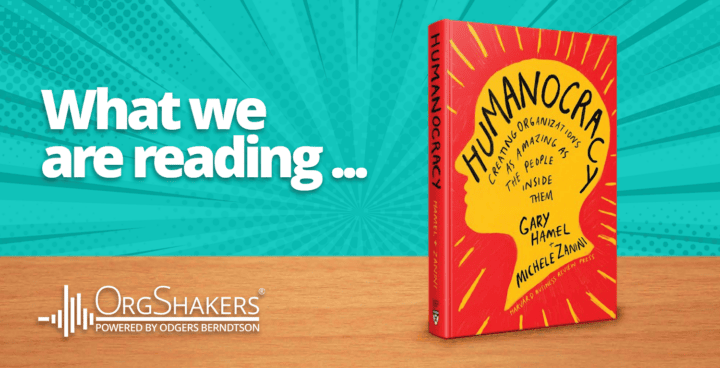
Well, to challenge this issue, we grabbed ourselves a copy of Gary Hamel’s and Michele Zanini’s book, Humanocracy: Creating Organizations as Amazing as the People Inside Them.
Gary Hamel is known as one of the most influential and iconoclastic business thinkers of our time who has worked with leading companies across the globe. He is the co-founder of Management Lab which is designed to help the world’s largest and most successful companies accelerate the pace of their management innovation. His co-author Michele Zanini is also co-founder of Management Lab, whose own ideas are fuelled by his years of on-the-ground research on the limits of traditional management and how successful companies can overcome these obstacles.
Pooling their vast experience and knowledge, Gary and Michele created Humanocracy in which they propose companies make a radical shift that would see employees given greater autonomy, decision-making power, and opportunities for growth. This approach acts as the blueprint for creating organizations that are as inspired and ingenious as the human beings inside of them.
According to their data, the critical building blocks for achieving a humanocracy are:
Humanocracy acts as an insightful and compelling critique of traditional management structures, offering a bold vision for the future of work. Hamel and Zanini effectively illustrate how bureaucratic red tape inhibits creativity and how companies that embrace decentralization and employee empowerment can unlock greater levels of engagement, adaptability, and success in an economy where the pace of change is ever-increasing.
If you would like to discuss how we can help build a humanocracy in your workplace that creates space for innovation and creativity, please get in touch with us today!
And in the meantime, grab yourself a copy of Humanocracy here in the US and here in the UK.
In today’s fast-paced economy, financial stress is a silent but powerful force affecting the workplace. In a 2024 survey, 60% of employees claimed to worry about money at least once a week.
As an HR professional, I’ve seen firsthand how personal debt can impact employee well-being, productivity, and retention; while financial struggles may seem like a personal issue, the reality is that they have a direct effect on the workplace. Employers have an opportunity – if not an obligation – to support their workforce in navigating financial challenges.
When employees are burdened by debt, their stress levels rise, leading to reduced concentration, increased absenteeism, and even mental health struggles. Research shows that financial anxiety can significantly hinder job performance, with employees spending hours of work time worrying about their financial situations.
Forward-thinking employers are shifting their approach to financial wellbeing by offering meaningful benefits and resources. Traditionally, organizations have provided pension plans, health insurance, and bonuses, but there is now a greater need for direct financial wellness initiatives. Here are some effective ways companies can assist employees in managing their debt:
Supporting employees in managing their debt isn’t a charitable initiative – it’s a business strategy that yields tangible benefits. Financially secure employees are more engaged, motivated, and less likely to seek alternative employment due to money-related stress. Companies that prioritize financial well-being programs also build stronger employer brands, attracting top talent in competitive job markets.
By integrating financial wellness into workplace benefits, employers can create a culture that fosters stability, productivity, and loyalty. And with innovative solutions like Wagestream, we have the tools to make financial freedom a reality for our workforce.
If you would like to discuss how we can help embed financial wellness strategies into your employee benefits, please get in touch with me at therese@orgshakers.com
Many studies have shown that employee happiness is linked to their productivity – the most famous of these studies citing that employees are around 13% more productive when they feel happy at work.
Employee happiness seems to be becoming a rising concern to employers; only a few months ago did Chinese company Pang Dong Lai make history by introducing ‘unhappiness leave’, a new form of paid time off where employees could now request an additional 10 days off if they were not feeling happy. Whilst this indicates care for their employees’ mental wellbeing, it doesn’t actually get to the root of the problem…that is, what is making them unhappy in the first place?
This is where having some real-time data around the happiness of your employees would be so beneficial. But how could an employer go about obtaining this? How does one ‘measure’ happiness?
Traditional methods of assessing employee well-being – such as annual surveys or exit interviews – are often outdated by the time they are analyzed. What employers need is real-time tracking which will allow them to gain insights into the current mood and morale of the workforce, enabling proactive interventions before issues escalate – and foregoing the need for unhappiness leave in the first place.
One of the most effective ways to track employee happiness in real time is by leveraging technology-driven tools that are specifically designed for this. For example, let’s take a look at a platform pioneered by Matt Phelan – the Happiness Index.
The Happiness Index measures employee sentiment by focusing on two key areas: Happiness (emotional wellbeing) and Engagement (purpose and motivation). Employees provide regular feedback through simple pulse surveys, and the system aggregates and analyzes this data to identify trends and areas for improvement.
By utilizing AI-powered sentiment analysis, the Happiness Index provides real-time insights, allowing HR teams and leaders to track fluctuations in employee wellbeing. In a nutshell, it helps businesses understand what’s working and what’s not, based on genuine employee sentiment rather than blind guesswork.
There are then multiple ways that this data on employee happiness can be used for the betterment of your business:
Ultimately, investing in employee happiness isn’t just about making work enjoyable – it’s about fostering a sustainable and high-performing organization. Tools like The Happiness Index provide employers with the insights they need to make data-driven decisions that help to ensure sustainability, as well as improve the livelihoods of their teams.
If you would like to discuss how we can help unlock employee happiness in your organization, please get in touch with me at andy@orgshakers.com
When an employee seems disengaged or downcast, they may be suffering a new phenomenon that’s becoming increasingly common in workplaces around the world – ‘resenteeism’.
So, here’s a comprehensive look into this unproductive mentality, which has been dubbed the “silent productivity killer”.
What is Resenteeism?
Resenteeism happens when an employee stays in a job despite being unhappy.
They actively dislike their job and feel frustrated with their work or employer but feel trapped in their role due to financial obligations or other responsibilities.
Resenteeism is not to be confused with quiet quitting – when employees take control of their work life balance and push back on additional tasks and responsibilities outside of their job description.
Both concepts are a result of workplace dissatisfaction, however staff with resenteeism are perhaps more vocal about their dislike of their role, employer, or work environment.
Someone experiencing resenteeism may continue to be productive – which can make it difficult to spot – yet can have a damaging impact on employee morale and workplace culture.
Is Resenteeism the Same as Presenteeism?
While presenteeism refers to employees being physically present at work but unproductive, resenteeism involves maintaining satisfactory productivity but feeling frustrated and trapped.
Unlike presenteeism, which is passive, resenteeism is active and can be more destructive to workplace morale and culture.
Resenteeism is often harder to detect as employees may not vocalize their feelings to their managers, instead expressing their discontent to colleagues.
Causes of Resenteeism
Several factors contribute to the rise of resenteeism, including:
How to Spot Resenteeism
HR professionals should be vigilant for the following signs:
Preventing Resenteeism
To tackle resenteeism, employers can take the following steps:
Resenteeism is a growing concern in today’s workplace, but with proactive measures, HR professionals can help create a more engaged and motivated workforce.
If you would like to discuss how we can help your organization tackle this silent productivity killer, please get in touch with us.
Pancake Day has become widely popular in British culture over the years.
Traditionally, Christians would eat pancakes on the last day before Lent – Shrove Tuesday – to use up things in the cupboard like flour, eggs and milk that they wouldn’t be eating during the 40 days before Easter.
Today it has evolved into a fun and cultural staple that many of us joyfully take part in.
When we think about pancakes, our minds tend to go one of two places – the thin, sugary lemon crepes of France, or the thick, maple-soaked stacks of North America.
But what is so interesting to note is that the pancake – something that seems relatively simple in its creation – takes on so many different forms, flavors, and styles across the world.
The Japanese have their savory pancake, called okonomiyaki, the Swedes have grated potato pancakes called raggmunk, and in South India they have thin, savory delicacies called dosas.
This clearly highlights the power of diverse perspectives.
The pancake has been reimagined, reshaped, and reborn in so many different ways across the globe, and now there are so many innovative approaches to one dish.
So, imagine applying this mindset to the working world – if employers foster and encourage diverse thinking, what are the benefits that they might be able to cook up?
Well, for one thing, a study published by Harvard Business Review discovered that teams solve problems faster when they are more cognitively diverse. Having a varied set of employees who have been enriched by different experiences in life will invite new ways of thinking and looking at something into workplace discussions.
This paves the path for innovation and creativity, as well as being able to expand their customer base into new market territories that were potentially being missed previously.
But it is not as simple as hiring diversly – employers must also strive to foster a culture of inclusion so that each employee feels that they belong.
This means encouraging open communication, embracing ‘taboos’, and challenging potential microaggressions that may hinder the assimilation of a diverse workforce. By creating this culture, employers will be able to unlock all of the opportunities that a diverse workforce has to offer, and there are many!
In a recent McKinsey report, it was found that successful diverse companies outperform less varied organizations.
So, on this Pancake Day, opt to adopt the pancake mindset, and embrace the power of diversity and new perspectives by taking something and seeing its potential to be so much more.
If you would like to discuss how we can help your company diversify its hiring practices and foster an inclusive culture, please get in touch with us.
The rise of artificial intelligence (AI) and cutting-edge technology is no longer just a trend; it signifies a fundamental shift in the business landscape.
To remain competitive, organizations must embrace this technological transformation, starting with their most valuable asset: their People.
First, organizations need to rethink their structures and processes.
Collaborating with experts in this field is essential for ensuring a smooth and successful implementation of these changes.
This is where OrgShakers come into play. We can help employers build a foundation to adapt and thrive in a tech-driven future by leveraging our expertise in leadership optimization, people strategy, and human capital risk management.
Strategic HR management plays a pivotal role in aligning humans harmoniously with technology, unlocking the full potential of this new opportunity. Our comprehensive approach includes everything from talent acquisition to leadership development, all designed to foster a culture of innovation and adaptability.
Creating this culture isn’t just about adopting new tools; it’s about driving strategic cultural and organizational transformation. This requires an approach that ensures changes in structure and strategy are deeply embedded within the organization’s culture and values, sparking a ripple effect that reaches every corner of the company.
Integrating AI and new technologies demands a strong emphasis on learning and development opportunities. Providing training opportunities helps mitigate any doubts or change fatigue employees might experience as they adapt to these advancements.
In 2025, staying ahead means embracing the evolution of AI and technology, with a focus on both people and processes. Partnering with OrgShakers offers organizations the expertise and support they need to navigate this transformative journey.
By aligning HR strategies with technological advancements, companies can cultivate a resilient, innovative, and competitive workforce ready to excel in our high-tech future.
If you would like to discuss our services in relation to AI and technology in more detail, please get in touch with us today.
What did you dream of becoming when you were a child?
And how close have you come to achieving that dream?
If your answer is “nowhere near” you’re not alone! In fact, only one in ten Americans say they are working their ‘dream job’.
This reality gives rise to frequent “if only…” moments for employees. “If only I’d stuck with that course.” “If only I’d studied for a different degree.” “If only I’d chosen that career path instead of this one.” The list goes on.
Research has found that a whopping 94% of employees regularly think about these alternate paths, with only 6% claiming they never or almost never entertain these thoughts. Indeed 21% of workers reported that they have these “if only” thoughts “often” or “almost always”!
And this is having a direct impact on business performance, as these employees tend to be more distracted, daydream more frequently, take breaks and days off more often, are less engaged, and are more likely to be searching for other jobs.
In today’s world, it’s easy to fall victim to this spiral of thoughts due to the multitude of choices we constantly face. LinkedIn’s Easy Apply option, for example, makes speculative applications for a new role simple and undemanding.
This may be a great way for an individual to scratch their “if only” itch, but it has driven a surge in the ‘apply anyway’ trend, with a 2023 report finding 73% of recruiters reporting a lack of qualified applicants for roles as the biggest challenge in the hiring process.
Given all of the above, it crucial for employers to address and redirect these “if only” thoughts into creative and innovative outputs. Here are some strategies to consider:
It’s natural for employees to occasionally wonder about alternate career paths. While harmless reflection can be beneficial, those who find themselves stuck in the past may need support to move forward. HR practitioners play a vital role in guiding employees through these thoughts and helping them find purpose and engagement in their current roles.
If you would like to discuss how we can help improve your employee engagement levels by optimizing the wonderment of “if only”, please get in touch with us.
Together, we can transform these reflections into productive and fulfilling experiences for your workforce.