Menu
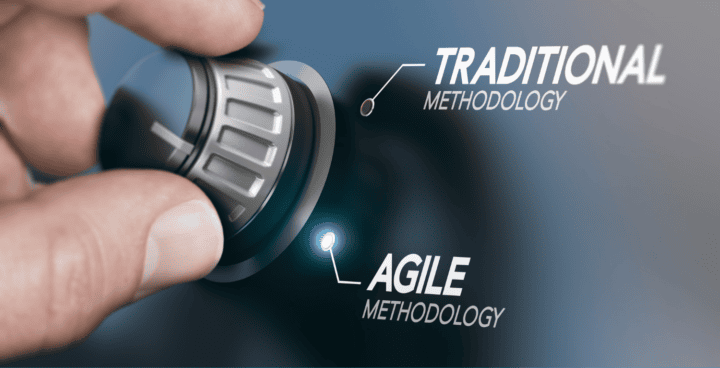
In the first part of this article, I gave a brief introduction to what agile methodology is and how this can be applied to the HR practice – however, before you launch into creating squads and inviting everyone to be part of your new way of working, let’s check in on the potential limitations or obstacles you might face so you can work through how to overcome them, and/or ensure that the outcome you strive for will benefit from an agile approach.
Firstly, there may be some growing pains when it comes to teaming people up. We must remember that the concept of ‘teamwork’ has evolved dramatically since the pandemic. With the mass adoption of hybrid and remote working styles, using new tools such as Miro, Trello and other interactive job management and collaboration tools, will be new to most people and will take some time to get used to. In-person teams and individual collaboration may also be a skill some have yet to flex their muscles in – especially in a context where each member of the team is very reliant on the other to ensure that the project can continue moving forward at pace.
Squads can also suffer from friction between members if they approach the work by ‘protecting their territory’. As teams are multi-disciplinary, there will be a healthy sharing of views with some team members making suggestions and interjections on aspects of the activity set that is outside their domain. This can be perceived badly if the squad has yet to move from storming to norming. The fusion of skills is the entire reason the process is so successful, as it allows for obstacles to be worked through quickly and carefully so that valuable insight and innovation can be embraced and used.
The size of the squad can be another enabler if the members are chosen well. It can be difficult to avoid upsetting someone who had wanted to be part of the squad when trying to stay within the 8–10-member limit. However, squads that are over-representing a particular insight or skillset can run the risk of having conversations dominated. Therefore, having equal representation will help to avoid this and keep things running smoothly.
Ambition can be another obstacle to overcome if you want to succeed. It’s not easy to set goals that are realistic and can be achieved within the determined timeframe. Agile is all about delivery of components of a larger goal in shorter timeframes, and includes lots of insight, trial, and error. Sprints are in short bursts so that, as a squad, you can present your findings, receive feedback, and venture into a second sprint with valuable lessons learnt, progress made, and knowing that you are on track to deliver something the customer will benefit from.
In HR, we have been guilty in the past to have operated in the same way the technology function can be guilty of, and that is to squirrel away on developing a tool/process that is best in class, but has no function in your organisation, or creates more work and less value for leaders and staff. Agile brings about amazing opportunities for a different way to ensure the tool/process is fit for purpose and harnesses all skills, strengths, and passion from the right people.
A watch out for pushing your squads too hard, however, comes in the form of deploying squads on multiple sprints. Operating sprints back-to-back may increase the risk of team members burning out, and it can be easy to get caught up in the progress being made and want to set even more ambitious goals for each sprint period. Agile methods require each member of the squad to be on top form throughout the sprint, and preferably without distraction from other work, as each member is reliant on the other for the flow of the work to continue and the goal to be achieved in the allotted timeframe. Therefore, it is advisable to have a small break in between sprints so team members can recalibrate before their next burst.
Agile working could be a game-changer for HR, from delivering projects and programmes that create value for teams and organisations, to HR team members being a part of other functional squads. It’s unlikely agile would work in the reactive operational environment, or indeed when HR partners are needed to be close to leaders and managers on a daily advisory basis. But HR can reap rewards from this way of working with a considered and managed approach; balance, transparency, and cohesiveness are key.
If you would like to discuss the practicalities of activating agile methodology in HR in more detail, please get in touch with me at clare.parkes@orgshakers.com
Traditionally, HR workstreams could be organised into four sections: cyclical activities such as engagement surveys; reactive client focused work such as performance management; proactive business improvement such as organisational design and learning initiatives; and projects such as change programmes and process improvements. Often, as the speed of organisations influence the ability to deliver well, HR is left wanting in non-operational areas.
However, agile HR methodology may be a solution to keeping pace.
Agile in HR is quickly gaining traction across the globe, proving particularly popular in countries such as Australia and New Zealand. Essentially, agile methodology aims to achieve a unifying, specific goal in a much shorter amount of time. This is often done by combining a team of multi-disciplinary individuals from across the company and having them each take on activities that together, create momentum behind the activity that is broken down into smaller components of a larger goal. This group, known as a ‘squad’, will exchange and update their progress on a regular basis, gathering stakeholder feedback along the way so they can adjust their work real time, and deliver an outcome that more closely matches the needs of the recipients. This way of working is conducted in short cycles, or ‘sprints’, and keeps the squad focused, energised, and on the right track.
Whilst agile methodology will look different depending on the desired goal, there are a few staple factors of this methodology that will be consistent no matter what the intent:
So, might Agile be what HR has been looking for to help deliver timely solutions that create value for their client groups?
Check back here tomorrow for Part 2 where I outline the potential limitations or obstacles you might face and how you can overcome these when using agile methodology.
In the meantime, if you would like to discuss the practicalities of activating agile methodology in HR in more detail, please get in touch with me at clare.parkes@orgshakers.com
The Healthier Nation Index report has recently been published, revealing some startling statistics about sleeping patterns.
People are now getting less than 6 hours a night of sleep – which is a sizeable difference to the 7-9 hours of sleep recommended by the UK’s National Health Service. This drop seems to be due to the fact that 45% of respondents reported they had got less sleep over the past 12-months than in previous years – and nearly half (49%) said that their sleep quality had also worsened.
These same respondents reported that their lack of sleep was having knock-on effects of feeling depressed, an increased likelihood of becoming unwell, struggling to eat healthily, failing to exercise, and low productivity levels.
The latter is because sleep loss can make it challenging to maintain focus, attention and vigilance. This happens due to the increase of ‘microsleeps’ (brief episodes of non-responsiveness that cause lapses in attention) someone will have during their day to compensate for sleep deprivation.
For employers, these findings are particularly worrying. Having sleep-deprived employees can lead to a decrease in productivity and engagement, an increase in absences – or both.
In the spirit of Sleeptember, here’s some advice on how employers can play their part in enhancing sleep quality amongst their workforce:
There are also some more experimental strategies that employers can consider; one which is increasingly gaining popularity is the idea of encouraging naps during the workday (which you can read about in more depth here). But the key takeaway from this is that, as a company is only as strong as its people, good sleep plays a vital role in the overall performance of the business.
If you would like to discuss how we can help train and support leadership around the implementation of sleep strategies, please get in touch with us!
It is probably well known by now that happy employees are more productive – in fact, according to research from Oxford University, those employees that are happier are around 13% more productive.
But ‘happiness’ is one of those elusive terms, in the sense that it can relate to a lot of different factors. For employers to figure out how they can contribute to creating happier, and in turn more productive, teams they need to consider what the ingredients for a happy employee might be.
So, what could employers be throwing into the mix to produce a happy employee?
There is no one size fits all approach to making every employee happy, but there are a range of different ingredients that should be consistently leveraged to ensure the best results. Once an employer is able to perfect this recipe for happiness and contentment in their workplace, they will see sharp increases in productivity, loyalty, trust, and retention.
If you would like to discuss how OrgShakers can help you embed these ‘happiness strategies’ into your workplace, please get in touch with me at anya@orgshakers.com
One of HR’s key functions for employers is implementing strategies to optimize productivity in the workplace.
By now, most employers will know the basics on how to go about this – but there are a growing number of innovative productivity strategies that organizations may not have considered before. They may sound counter-intuitive, but hear us out!
Yes, you heard that right. Napping at work can be a great way of boosting productivity. Humans were originally biphasic (we slept twice a day) but now we have become monophasic (we sleep once a day), but biologically our bodies have a dip in the middle of the day where body temperature decreases, and cognitive processes are not as strong. Having a nap during this time can help improve one’s mood, engagement levels and productivity!
Having been proven to improve engagement and productivity levels, microbreaks are when an employee takes a five-minute break between tasks and actively takes a moment for themselves. Normalizing this idea and encouraging employees to do this can have a noticeable effect on their productivity levels, as their brains are being suitably rested to keep them working at their optimum.
The link between music and productivity continues to be investigated, but one thing that psychologists have confirmed is that music that someone likes can cause the brain to produce dopamine. This stimulates the prefrontal cortex which is responsible for planning, organizing, inhibition control, and attention. Therefore, a lot of people find that they are better able to focus and be more productive when listening to the right music (this being music that they enjoy on an individual level, so hand out some headphones!).
What is an even more interesting way of boosting productivity is encouraging staff to actually play instruments. Neuroscientists have discovered that when a person plays an instrument, multiple areas of the brain light up and are simultaneously processing different information in intricate, interrelated, and fast sequences. This way of thinking can be translated into other areas, meaning that the individual will be able to engage more of their brain when working.
Studies have shown that when people interacted with dogs, their ability to think, plan, and concentrate was enhanced. And even more interesting to note was that this effect lasted up to six-weeks after contact. This is why many employers are now considering pet-friendly policies as a means of attracting talent and boosting productivity levels.
Crafting a working environment in creative and innovative ways can reap unexpected benefits. Even though taking your dog to work or taking a nap in the middle of day sounds like a productivity nightmare, these things – when done properly – can actually make all the difference to a team’s productivity levels. If you would like to discuss how we can help you find the best productivity strategies for your organization, please get in touch with us!