Menu


Is It Time for the End of ‘Always Learning’?
For years, ‘always be learning’ has been one of the defining mantras of the modern workplace. As technology evolves and new skills emerge, employees are encouraged to continuously upskill, reskill, and future-proof their careers. On the surface, it’s hard to argue with the idea. After all, earning drives innovation, supports career growth, and helps organizations […]

Leadership Blind Spots: Don’t Let Them Eclipse Your Judgement
With a solar eclipse taking place in many parts of the world, millions of people will stop to witness the extraordinary sight. For a few brief moments, the moon passes in front of the sun, temporarily obscuring something that is still very much there. It is a reminder that our perspective can change dramatically, even […]

The Promotion Paradox: Are We Promoting Our Best People Out of Their Strengths?
For generations, promotions have been viewed as the ultimate reward for exceptional performance. An employee consistently exceeds expectations, demonstrates expertise, and delivers results…so naturally, they’re promoted into management. But what if that well-intentioned decision is actually costing organizations some of their most valuable talent? This is what I like to call the ‘promotion paradox’: the […]

Is Workplace Patience on the Rise?
For years, the modern workplace has celebrated speed. Faster decisions. Faster hiring. Faster innovation. Faster responses to emails, messages, and meetings. The emergence of artificial intelligence has only accelerated these expectations, with many organizations now able to complete tasks in minutes which once took hours. Yet amid this race toward greater efficiency, an interesting countertrend […]

The Hidden Cost of Bad Internships
Every summer, organizations across the country welcome a new cohort of interns. For many employers, internships are viewed as a valuable talent pipeline, acting as a chance to identify future hires while giving students practical experience. But there’s another side to the story that deserves more attention: what happens when the internship experience falls short? […]

The Rise of Career Minimalism: Why Less Climbing Doesn’t Mean Less Commitment
For decades, career success followed a familiar formula: work hard, earn promotions, manage larger teams, and keep climbing the corporate ladder. Today, however, that definition is evolving. A growing number of employees are embracing what has become known as ‘career minimalism’, a mindset that prioritizes meaningful work, balance, and long-term sustainability over titles and constant […]

Why Mediation Should Be Every Organization’s Secret Leadership Skill
Conflict is an inevitable part of work. Bring together people with different experiences, personalities, priorities, and perspectives, and disagreements are bound to happen. So the question isn’t whether conflict will arise, it’s whether organizations have the skills to address it before it escalates. Recent research from Acas suggests there’s still work to do. A survey […]

The Case for Strategic Disengagement
For years, employee engagement has been treated as the gold standard of workplace success. Organizations have invested heavily in engagement surveys, recognition programs, culture initiatives, and leadership development, all with the goal of creating highly motivated, emotionally invested employees. And for good reason. Engaged employees are generally more productive, innovative, and committed to organizational success. […]

Are Younger Workers at Risk of Losing Intellectual Curiosity?
For generations, employers have looked to younger workers as a source of fresh thinking, creativity, and intellectual energy. Early-career employees have often challenged conventional wisdom, asked difficult questions, and brought new perspectives into the workplace. But as generative AI becomes embedded into everyday life, a new question is emerging for business leaders: could unlimited access […]
Why Employers Should Be Concerned About Rising NEETs
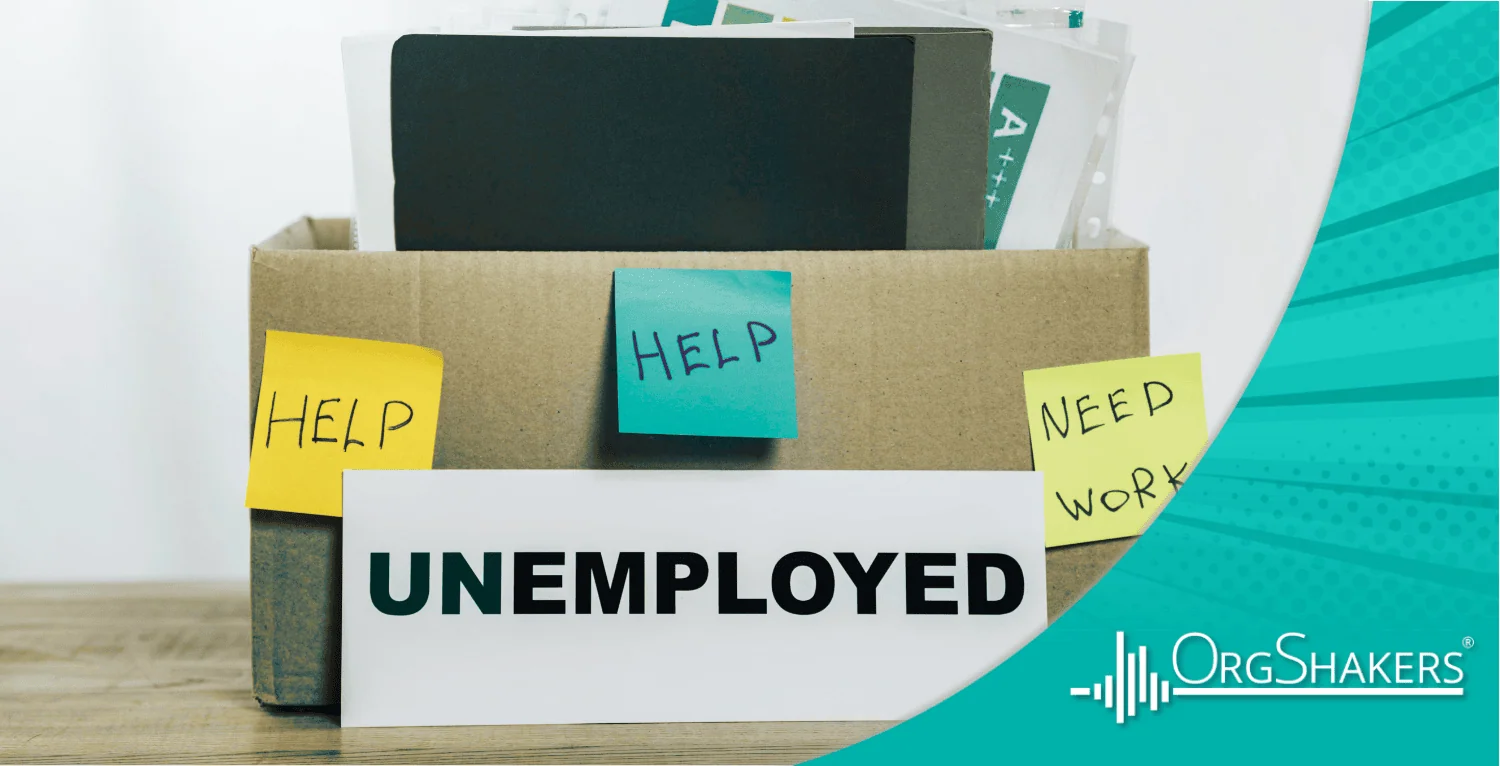
For many employers, conversations about talent shortages have become routine. Organizations across industries continue to struggle with recruitment, skills gaps, and workforce planning, while simultaneously trying to adapt to rapid technological and economic change. At the same time, another workforce trend is quietly growing in the background, and this is the rise in young people […]

The Most Effective Wellbeing Policy Might be Boring…
With World Wellbeing Week in full-swing, many organizations will naturally be reviewing their wellness offerings. New apps, mindfulness sessions, wellbeing webinars, and employee challenges are likely to feature prominently in the conversation. And there is certainly a place for these initiatives. However, after years working in HR, I’ve come to believe that some of the […]

The Energy Audit: How Employers Can Help Teams Work Smarter, Not Longer
As the summer solstice approaches, it’s a natural moment to reflect on energy. Not just energy from sunlight, but human energy at work. In the workplace setting, we often talk about time, whether that be hours worked, days absent, deadlines met… But increasingly, the real differentiator isn’t actually time, it’s how effectively that time is […]